Garden Clearance in Ickenham
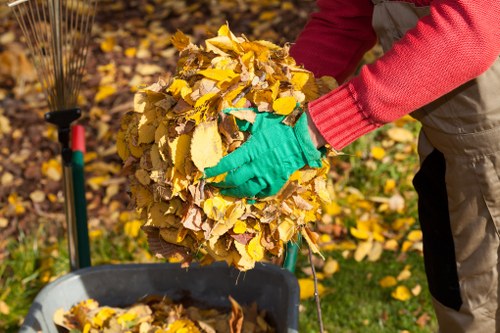
Garden clearance in Ickenham is about making outdoor spaces usable, tidy and ready for the next stage of work, whether that means regular maintenance, replanting, landscaping or simply regaining control of an overgrown plot. We clear away green waste, cut back unwanted growth, remove old garden materials and deal with awkward items that no longer belong outside. The aim is practical: to leave a garden easier to manage, safer to move through and more straightforward to improve.
Our work can include the removal of hedge trimmings, branches, turf, bagged garden waste, broken plant pots, timber offcuts, old compost, damaged outdoor furniture and other non-hazardous items that have built up over time. We also handle mixed clearances where the garden contains both organic material and general clutter. If you need a straightforward tidy-up or a more involved clearance after a long period of neglect, we keep the process focused on what actually needs to go.
For a planned clearance, it helps to note the items that must stay, the areas you want opened up first and any access points we should use. That makes it easier to shape the work sensibly and avoid removing anything that should remain in place. If you already know the main problem areas, you can request a quotation once you are ready and we will discuss the scope clearly before anything is arranged.
What Our Garden Clearance Covers
Garden spaces often contain a mix of natural waste and older items that have slowly accumulated. A thorough clearance is not just about collecting loose cuttings; it is also about separating what can be taken away quickly from what needs more careful handling. We can remove general outdoor clutter, spent plants, collapsed supports, plant containers, sacks of soil and other debris that stops the garden from being easy to use. Where there is a large amount to move, breaking the work into sensible sections keeps it orderly.
We also deal with clearance tasks around sheds, borders, patios and side returns where waste tends to collect. A garden can look untidy for many different reasons, from seasonal cutting back to a period of disuse, so the service is flexible rather than one-size-fits-all. If you want to keep certain materials for reuse, that can be discussed at the planning stage. Only the items you want removed should be grouped for collection, which helps the job proceed without confusion.
Typical items we remove
- Branches, twigs, hedge cuttings and grass waste
- Old plant pots, trays and broken garden accessories
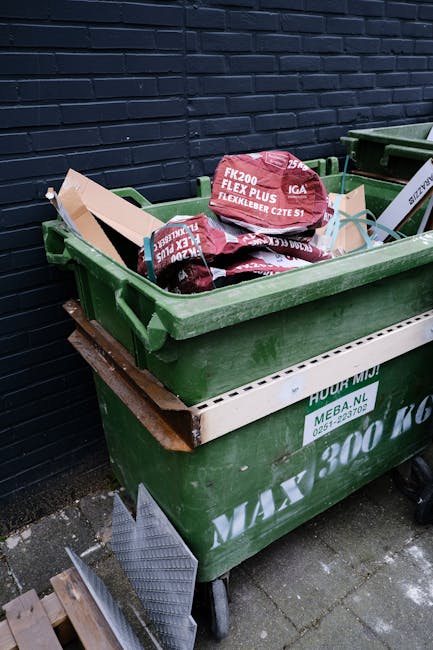
- Bagged leaves, soil, compost and general green waste
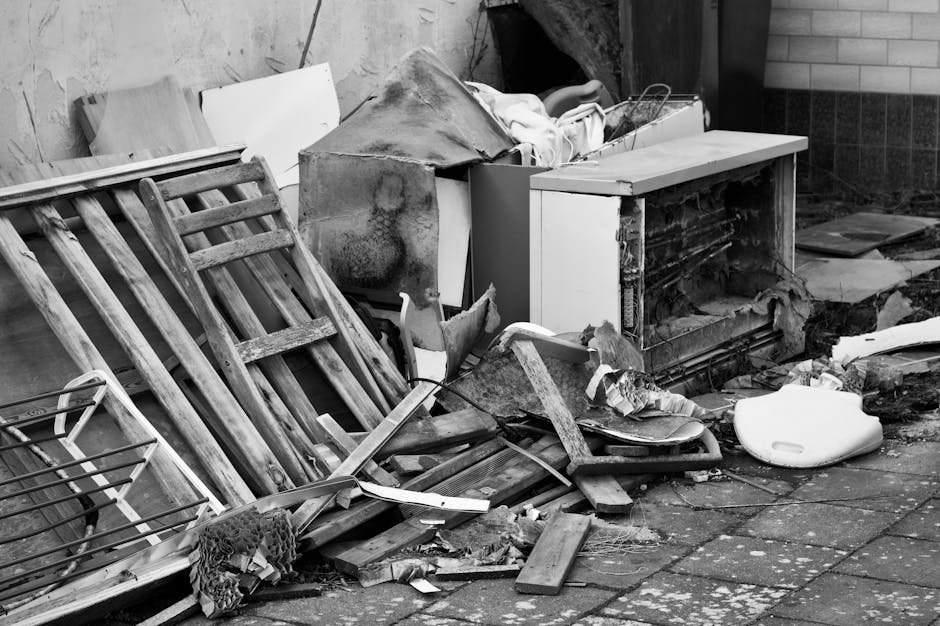
- Damaged outdoor furniture and weathered timber
- Mixed garden debris from borders, paths and storage areas
Clearing Overgrown and Neglected Gardens

Some gardens need more than a quick tidy because growth has become dense, access is awkward or the useful parts of the space are hard to reach. In those cases, garden clearance needs a calmer, more methodical approach. We clear what can be removed safely and in a sensible order, helping to open up paths, borders and working space without turning the whole area into a mess. This is especially useful where the garden has been left for a while and the work needs to start with visibility and access.
Overgrown clearances often involve more than one category of material. There may be cut vegetation, fallen branches, old edging, damaged planters or stored items that have become part of the clutter. By dealing with the space as a whole, it becomes easier to see what is garden waste, what is general rubbish and what may need to stay for a later phase of improvement. When appropriate, we can separate the work into sections so the clearance feels controlled rather than rushed.
Because every garden is different, the best result often comes from a clear conversation about priorities. If you can identify the area that matters most first, the clearance can be focused there before attention turns to the rest. That is a practical way to manage larger or more awkward spaces, and it also makes it easier to decide whether any further work should follow after the initial removal is complete.
Garden Waste Removal and Responsible Handling
Green waste removal is a major part of many garden clearances, and it needs to be handled carefully so the result is genuinely useful. We remove a range of organic materials, including cuttings, roots, branches and other garden debris that has built up after pruning or seasonal work. The service is suitable when you do not want to deal with repeated trips, sorting heavy bags or trying to fit awkward waste into a small bin.
Where mixed loads are involved, it is important to keep the removal practical and tidy. Garden waste can be bulky even when it is not particularly heavy, while damp material may become awkward to move. We therefore look at the layout of the site and the type of waste involved so the clearance can be handled in an orderly way. Clear separation of keepable items and disposal items is one of the easiest ways to make the job run smoothly.
If you are planning wider outdoor improvements, removing old waste first can make it easier to judge what the garden really needs next. That might be a fresh layout, new planting or simply a cleaner surface to work with. In each case, the clearance itself is the practical first step. Please ask for a quotation when you are ready, and we can discuss the material that needs taking away.
Garden Items, Fixtures and Outdoor Clutter

Not every garden clearance is made up only of cut vegetation. Outdoor spaces often contain fixtures and stored items that have outlasted their usefulness, such as broken seating, worn planters, old compost bags, damaged tools or timber pieces that are no longer required. We can remove many of these non-hazardous items as part of a wider clearance, so the garden is not left with a mixture of waste that still needs separate attention later.
In some properties, the clearance also includes spaces beside the house, behind a garage or along a fence line where miscellaneous items have been kept out of sight. These areas often hold the bits and pieces that make a garden feel cluttered even after the obvious waste has been removed. By taking a broader view, the work can uncover useful space that may not be obvious at first glance. The result is usually easier to manage than tackling only the visible pile.
When there are several types of material on site, a short written list or a few notes can be helpful, especially if certain items need to be left alone. If you are unsure whether something belongs in the clearance, it is better to mention it early than to assume. That keeps the work accurate and avoids unwanted surprises when the clearance begins.
Planning a Clear and Practical Clearance
A well-planned garden clearance depends on a few sensible decisions rather than complicated preparation. It helps to know which parts of the outdoor space matter most, whether access is straightforward and whether there are items that should not be touched. If the garden is large, uneven or heavily planted, that information is useful too. The more clearly the scope is described, the easier it is to match the work to the site without overcomplicating matters.
For many customers, the most useful step is simply to separate what should be removed from what should remain. That can include fence-side clutter, old bags, loose branches, stacked timber or plant waste collected after a recent cut-back. If you want to keep certain materials for reuse, it is better to mark them or set them aside before the clearance starts. A little preparation can make a noticeable difference to the speed and clarity of the job.
If you already have photographs, a quick inventory or notes about awkward access, they can help describe the job accurately. You do not need to overcomplicate the enquiry; clear details are usually enough. Once the scope is understood, the next step is simply to get in touch for a quote and discuss the most suitable way to proceed.
Garden Clearance and Outdoor Improvement Choices
Some customers use garden clearance as the first stage of a wider improvement plan. Once unwanted waste has been removed, it becomes easier to see the shape of the space, the condition of the borders and the amount of open ground available. That clarity helps with decisions about pruning, planting, repaving or storage. A clean starting point often makes later work simpler, because you are dealing with the garden itself rather than the clutter around it.
The service is useful when you want to decide what kind of outdoor space you actually have, not just what has been hidden by debris. Clearing old materials may reveal usable edges, better access routes or parts of the garden that can be brought back into regular use. Removing what no longer serves the space often makes future maintenance more manageable and the whole area more pleasant to work in. It also reduces the chance that old waste will keep reappearing as a distraction.
In practical terms, this stage is about making informed choices. A customer may want to keep a few items for another project, remove all loose waste at once or clear only the worst sections to begin with. We can work to the approach that suits the site, provided the scope is clear from the outset. That keeps the job focused and avoids unnecessary handling.
About Ickenham
Ickenham is a suburban area in the London Borough of Hillingdon, in west London, and it retains a clear village character despite being connected to a much larger urban region. The settlement is recorded in the Domesday Book, and its older history is still visible in the pattern of streets, the surviving church and the way the historic core sits alongside later residential development. St Giles’ Church, with origins in the medieval period, is one of the area’s best-known landmarks, while Ickenham Village maintains a centre that feels distinct from the newer roads and housing around it. The locality is also closely linked with surrounding green spaces and the Colne Valley, giving it a setting that combines suburban convenience with access to more open landscapes. Ruislip Lido lies nearby and adds a notable leisure feature within the wider district, while the Grand Union Canal and the local network of parks and commons contribute to the area’s character. Ickenham tube station places the neighbourhood on the Metropolitan and Piccadilly lines, which has shaped its growth and made it an established residential location for many years. Alongside these transport links, the area includes a mix of older homes, post-war streets and newer developments, so its built environment reflects several periods of change. The result is a place where historic traces and everyday suburban life sit side by side, with familiar local streets leading out towards more open ground.
Flexible Clearance for Different Garden Sizes

Garden clearance is not limited to one type of property. A small back garden, a long side return, a front plot or a larger outdoor space can all benefit from the same careful approach, even if the scale of the work changes. What matters is that the clearance is matched to the site rather than forced into a rigid pattern. We can remove loose waste from one area or deal with several zones in a single visit where that makes sense.
Some gardens contain lighter material, while others involve heavier or more awkward items that need a bit more planning. Old timber, wet soil, tangled cuttings and unevenly stacked waste all create different handling needs, so the job is best approached with a clear view of what is actually there. Where needed, we can work through the space in stages to keep the process tidy. The result is a more orderly clearance and a garden that is easier to understand once the waste is gone.
If you are comparing options, think about whether you need only green waste removed or a broader clearance that includes stored outdoor items as well. That distinction often makes the service more accurate and prevents useful materials from being taken away by mistake. A little care at the start helps the work finish with a better overall result.
Before and During the Clearance
Two practical points usually help most. First, it is useful to keep any items you want to retain separate from the rest of the garden material. Second, if there are gates, paths or narrow access routes involved, it helps to mention them before the work is arranged. Those simple details can make a surprising difference to how smoothly a clearance can be carried out, especially where the site is tight or partly overgrown.
During the clearance itself, we aim to keep the work organised and easy to follow. That means removing the agreed material without disturbing the parts of the garden that are not included. It also means paying attention to the order in which items come out, so heavier or more awkward pieces do not get in the way of the rest of the job. A tidy approach is not just more efficient; it also reduces the chance of confusion if the space contains several different types of waste.
When a garden has become cluttered over time, the job can feel bigger than it looks at first. Breaking it into manageable steps makes it easier to judge what is being cleared and what the end result should be. If you are ready to move forward, the next step is simple: request a quotation and tell us what needs removing.
Pricing Factors and Quote Details
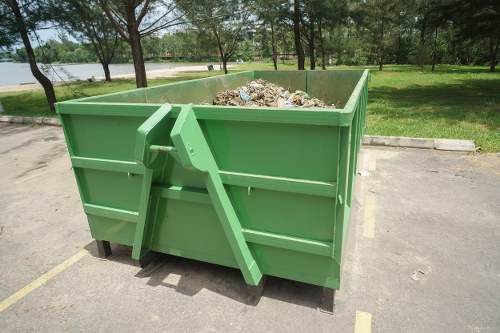
Garden clearance pricing is usually shaped by the amount and type of waste, how easy it is to access and whether the job involves mostly green material or a broader mix of outdoor clutter. A small load of cuttings is different from a large, tangled clearance that includes branches, bags, old planters and assorted items from around the garden. The more clearly the scope is described, the easier it is to provide a sensible quotation.
Useful quotation details often include the approximate size of the area, the main items that need removing and any access considerations such as narrow side paths, steps or locked gates. If you are uncertain about a particular object, it is better to mention it than to leave it out. Accuracy at the start helps avoid unnecessary revision later, especially where the garden contains both waste and items that are intended to stay in place.
For that reason, many customers prefer to outline the job in plain language rather than try to categorise everything perfectly. A few clear notes are enough to begin the process. Once the basic scope is understood, we can discuss the next step and you can ask for a quotation with confidence that the request reflects the work you actually need.