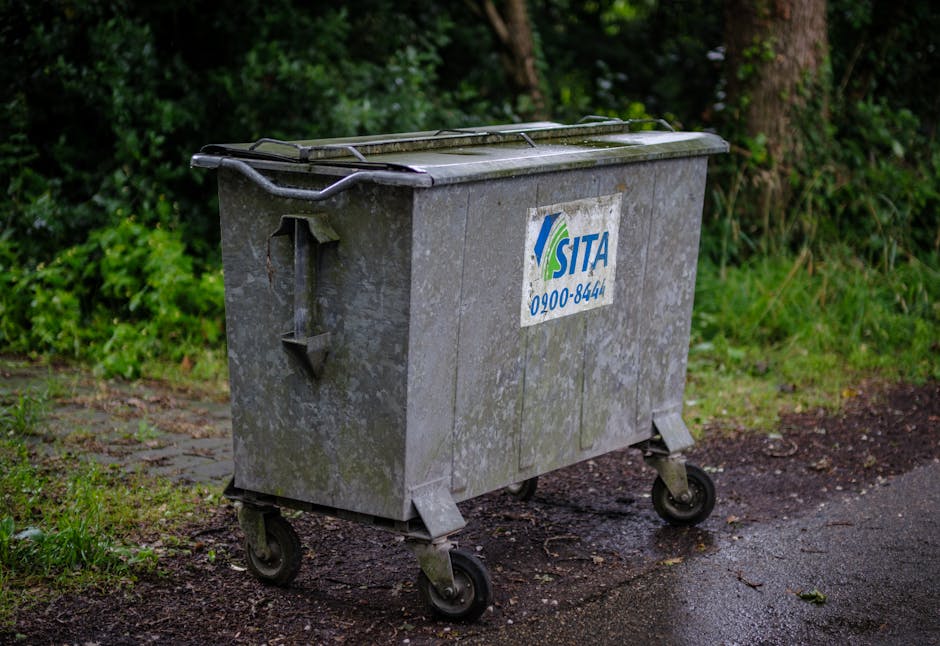
Avoid hidden rubbish removal fees in Ickenham Hillingdon
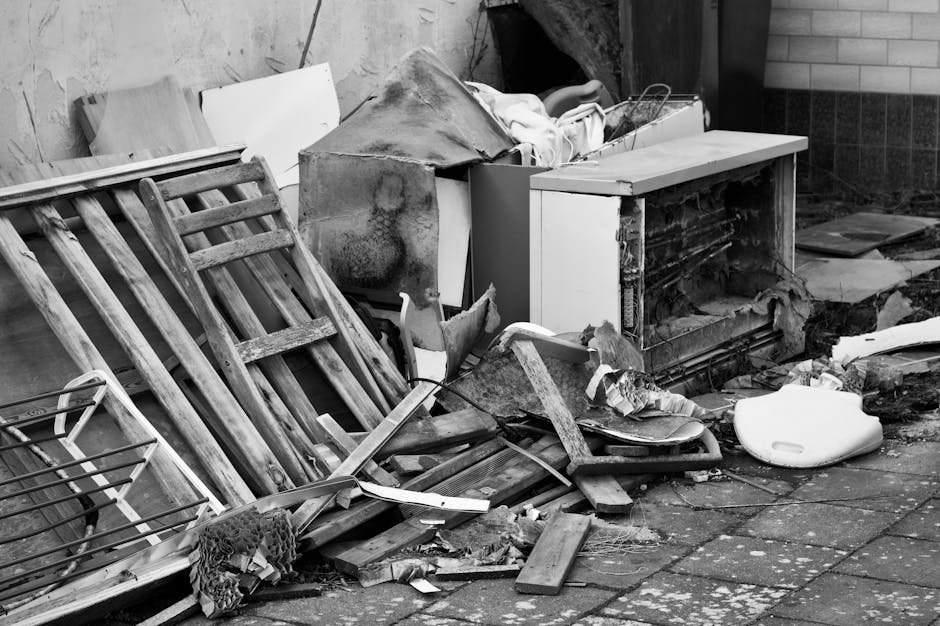
If you have ever arranged a rubbish clearance and then seen the final bill creep up, you will know how frustrating it feels. One minute you are booking a simple collection in Ickenham or nearby Hillingdon, and the next minute there are extra charges for access, labour, awkward items, or "unspecified waste". This guide explains how to avoid hidden rubbish removal fees in Ickenham Hillingdon, what to ask before you book, and how to compare quotes without getting caught out.
Truth be told, most surprise costs are preventable. A bit of planning, a proper quote, and a few sharp questions can save you money and a headache. You do not need to be an industry expert either. You just need to know where fees tend to hide, how reputable clearance companies usually quote, and what details matter most before the van turns up outside.
Why Avoid hidden rubbish removal fees in Ickenham Hillingdon Matters
Rubbish removal should be straightforward. You describe what needs clearing, the company gives a price, and the job is done. But hidden fees can turn a tidy booking into an expensive lesson. In local areas like Ickenham and the wider Hillingdon district, that matters even more because many properties have narrow drives, shared access, stairwells, parking restrictions, or mixed waste from home improvements. Those practical details can change the price if they are not discussed early.
People often assume "rubbish removal" is a single service with a single price. In reality, it is usually a combination of waste type, volume, loading time, access, sorting, and disposal costs. If one of those factors is left vague, the final invoice can shift. And that is where hidden fees often appear. Not always in a nasty way, to be fair, but still enough to make you feel slightly taken for a ride.
It also matters for trust. A clear quote says a lot about how a company operates. If they are careful with pricing, they are usually careful with handling, communication, and disposal too. That tends to show up in the little things: whether they ask about stairs, whether they explain what is included, whether they mention licensing, and whether they put the basics in writing. Small signals. Big difference.
If you are comparing a general clear-out alongside more specific jobs, it can help to understand the service mix. For example, a house clearance, a loft clearance, a garage clearance, or a office clearance may all involve different handling needs. Pricing should reflect those differences plainly, not hide them in fine print.
Table of Contents
- Why Avoid hidden rubbish removal fees in Ickenham Hillingdon Matters
- How Avoid hidden rubbish removal fees in Ickenham Hillingdon Works
- Key Benefits and Practical Advantages
- Who This Is For and When It Makes Sense
- Step-by-Step Guidance
- Expert Tips for Better Results
- Common Mistakes to Avoid
- Tools, Resources and Recommendations
- Law, Compliance, Standards, or Best Practice
- Options, Methods, or Comparison Table
- Case Study or Real-World Example
- Practical Checklist
- Conclusion
- Frequently Asked Questions
How Avoid hidden rubbish removal fees in Ickenham Hillingdon Works
The basic idea is simple: reduce uncertainty before the collection date. The more detail you give upfront, the less room there is for add-ons later. A reliable rubbish removal quote normally depends on what is being removed, how much there is, where it is located, and whether there are any access issues or special handling requirements.
A typical process looks like this:
- You describe the waste as clearly as possible.
- You share photos, quantities, and any access details.
- The company estimates volume and labour.
- The quote states what is included and what might cost extra.
- On collection day, the team confirms the load before starting.
That final check matters. If a driver arrives and finds, say, more waste than expected or heavier items than originally described, a fair company should explain the difference before loading begins. It should not feel like a trap. If the price changes, you should know why.
Hidden rubbish removal fees usually show up in a few predictable places. Common examples include parking charges, congestion-related delays, difficult stair access, extra labour for heavy furniture, mattress disposal supplements, waste classification changes, or minimum-load fees when the job is smaller than expected. Some are legitimate. Some are simply poorly explained. Either way, clarity upfront is what protects you.
One practical note: a lot of confusion comes from the phrase "all in". Ask what that actually means. All in for what? Labour? Fuel? Uplift? Disposal? Recycling? Waiting time? If a company cannot answer that clearly, it is worth slowing down. You are not being awkward. You are being sensible.
Key Benefits and Practical Advantages
When you know how to avoid hidden rubbish removal fees, the whole process becomes calmer and more predictable. That is a bigger benefit than it sounds like at first glance. Nobody enjoys watching a cluttered kitchen, a stuffed shed, or a half-cleared flat while wondering whether the bill will double.
- Better budgeting: You can plan around a real price instead of a guess.
- Less stress: No unpleasant surprises on the day.
- Faster decisions: Clear quotes make it easier to compare providers.
- Better service quality: Transparent pricing often goes hand in hand with better communication.
- Fewer disputes: Written expectations reduce arguments later.
There is also a practical advantage for people moving house, renovating, or clearing an estate. When you are already juggling trades, removals, packing, or probate tasks, you do not want to spend half an hour arguing over an extra loading fee. You want the job dealt with cleanly and fairly. Simple as that.
If you are clearing bulky household items, it may help to look at related services such as furniture clearance or furniture disposal. These jobs often bring extra price questions because sofas, wardrobes, beds, and white goods can require more handling than mixed light waste. Asking the right thing early can save a lot of back-and-forth.
Expert summary: the cheapest quote is not always the cheapest job. A clear, detailed quote with written inclusions is often better value than a vague low price that grows on arrival.
Who This Is For and When It Makes Sense
This advice is useful for a lot of people, not just homeowners. If you are trying to avoid hidden rubbish removal fees in Ickenham Hillingdon, you are probably in one of these situations:
- You are clearing out a house, flat, loft, garage, or garden.
- You are renovating and need builders' waste moved quickly.
- You run a business and need a one-off office or commercial clearance.
- You are comparing several local providers and want a fair like-for-like quote.
- You have mixed waste and are unsure how it will be priced.
It also makes sense if you have unusual access. Think third-floor flats with no lift, narrow side passages, shared entrances, or properties where parking is a bit of a nightmare on a weekday morning. In those cases, a company should know the setup before they quote, otherwise the risk of surprise charges goes up.
For example, a tenant leaving a flat at short notice might only need a few bulky items removed. A landlord, by contrast, may need a fuller clearance after a move-out. Different scale, different risk of hidden costs. Likewise, a homeowner clearing a garage full of mixed household junk faces different pricing issues than someone arranging builders waste clearance after a kitchen fit.
In our experience, the people who get the smoothest result are not the ones who know the most jargon. They are the ones who give enough detail, ask the awkward question, and insist on the quote being clear. That is it really.
Step-by-Step Guidance
If you want a straightforward way to avoid hidden fees, follow this process. It is not glamorous. It works.
1. List everything that needs removing
Write down the items, bag counts, and approximate sizes. Include the awkward stuff too: broken wardrobes, garden cuttings, rubble, mattresses, old paint tins, or mixed junk from the shed. The more precise you are, the less likely the quote will drift later.
2. Take clear photos
Photos from a few angles help a lot. A single picture can miss the real volume, especially if items are stacked or tucked behind other things. Good photos also reduce the chance of a misunderstanding over what is included.
3. Explain access honestly
Say if there are stairs, limited parking, narrow hallways, no lift, long carries, or timed access restrictions. This is one of the biggest triggers for unexpected charges. It is much better to mention it now than argue about it later.
4. Ask what the quote includes
Do not just ask for the total. Ask what that total covers. Labour? disposal? fuel? VAT if applicable? loading time? recycling? waiting time? A proper answer should not sound evasive.
5. Ask about likely extras
Request a list of circumstances that could alter the price. That might include extra volume, prohibited materials, heavy items, parking problems, or same-day changes. It is a bit like checking the weather before you leave the house. Better to know.
6. Get the key terms in writing
This is the boring bit, but probably the most useful. Keep the quote, email thread, or message confirmation. If the collector later says something different, you have a record of what was agreed.
7. Check the disposal route
A reputable service should be able to explain whether items are reused, recycled, or disposed of properly. That matters both for peace of mind and for understanding whether you are paying for responsible handling. If sustainability matters to you, it is worth asking about recycling and sustainability as part of the service approach.
8. Confirm payment timing
Will payment be taken before collection, after loading, or on completion? Is card payment available? Are there admin fees? A few seconds of checking can save the odd irritating surprise.
Expert Tips for Better Results
Here are the small habits that make a big difference. They are not complicated, just practical.
- Ask for a breakdown even if the quote looks good. A neat headline price is fine, but a clear breakdown is better.
- Tell the company the worst-case access scenario. If parking is tight at certain times, say so. If the lift is unreliable, mention it.
- Be specific about mixed waste. Builders' waste, furniture, green waste, and general junk can be priced differently. Mixing them without warning can trigger changes later.
- Keep one person in charge. If three people are giving different answers, pricing confusion tends to follow. One contact, one version of the job.
- Use photos plus a written list. Photos are useful; words are useful. Together they reduce ambiguity.
Another tip that people often skip: ask what happens if the load is smaller than expected. Some companies have minimum charges, which is normal, but it should be stated clearly. Otherwise you may be surprised that removing half a van still costs nearly the same as removing a full one. Not ideal, but at least it is honest when stated in advance.
If you are comparing broader clearance options, it can help to look at whether you need a full home clearance or a more targeted service. A narrower brief often means a cleaner quote. The job scope really matters.
Common Mistakes to Avoid
Most hidden fee problems begin with one of a handful of avoidable mistakes. The good news? They are easy to sidestep once you know them.
- Choosing only on the cheapest price. A very low estimate may leave out labour, access, or disposal.
- Giving vague item descriptions. "Just a few bits" is not enough if there is a sofa, a bed, and five sacks of rubble.
- Not mentioning stairs or parking. This is one of the most common reasons quotes change.
- Assuming all waste is treated the same. Different waste types can have different handling costs.
- Ignoring written terms. If you never check the small print, surprises tend to find you anyway.
- Leaving everything to the collection day. That is when time pressure makes price disputes more likely.
Another classic mistake is forgetting about items tucked away in the loft, garage, or shed. People think they are only clearing one room, then another pile appears at the last minute. Happens all the time. The van is already there, the clock is ticking, and suddenly the "small job" is not quite so small.
For storage-heavy spaces, it may be worth reviewing services like garage clearance or loft clearance before booking. Those jobs often reveal hidden volume, which is exactly where pricing confusion begins.
Tools, Resources and Recommendations
You do not need specialist equipment to make a smarter booking, just a few basic tools and habits:
- A phone camera: Take wide photos of the waste and the access route.
- A simple notes app: Record quantities, item types, and any unusual access details.
- A measuring tape: Useful for doors, stair widths, bulky furniture, and tight corners.
- A checklist: Stops you forgetting the items hidden in corners or outside spaces.
It can also help to review the company's wider policies and service standards so you know what kind of operation you are dealing with. Pages such as pricing and quotes, payment and security, insurance and safety, and health and safety policy can give useful reassurance before you commit.
If you are a business customer, the same principles apply, only more so. Offices, retail units, and shared workspaces can involve extra care around access, confidential waste, or building rules. In those cases, it is worth looking at business waste removal and making sure the quoted job description matches your site conditions exactly.
One small but useful recommendation: keep your first enquiry short, factual, and complete. Something like this works well: "I need three large items and six bags removed from a first-floor flat in Ickenham. There is no lift and parking is limited outside." That gives the provider enough to work with, and it saves a lot of guessing.
Law, Compliance, Standards, or Best Practice
When rubbish is removed, there is more at stake than price alone. Waste must be handled responsibly, and in the UK that generally means using a reputable carrier and disposing of waste through lawful routes. You do not need to become a compliance expert, but you do need to know that proper disposal matters. It protects you as the customer and helps prevent fly-tipping and careless handling.
Best practice usually includes clear identification of the waste type, transparent pricing, safe loading, and sensible transport and disposal arrangements. For households, the main issue is making sure the waste is not simply dumped somewhere risky or illegal. For businesses, there may be additional responsibilities around paperwork, access control, and duty of care expectations.
There is also a practical safety angle. Heavy lifting, sharp edges, dust, damp materials, and broken items can all cause problems on site. A responsible team should work carefully and communicate any risks before handling begins. That is especially important in older houses, lofts, and tight stairwells, where a minor slip can become a bigger issue in seconds.
In plain English: clear pricing is not just about saving money. It is part of a more professional, safer service overall. If a company is vague about money, it is fair to ask whether it is equally vague about everything else. A bit blunt maybe, but worth thinking about.
Options, Methods, or Comparison Table
When trying to avoid hidden rubbish removal fees in Ickenham Hillingdon, the main decision is usually how you want the job priced and confirmed. Here is a simple comparison of common approaches.
| Method | How it works | Pros | Risks |
|---|---|---|---|
| Vague phone quote | A rough price is given with little detail | Fast | Higher chance of surprise fees |
| Photo-based quote | You send images and a description before booking | Better accuracy, fewer misunderstandings | Can still change if access is not explained |
| Site visit estimate | Someone views the job in person first | Usually the clearest option | Takes more time to arrange |
| Fixed written quote | The price is confirmed in writing with conditions | Best for budget control | Depends on how well the job is described |
For most people, the sweet spot is a photo-based or fixed written quote. It is quick enough for everyday use, but detailed enough to reduce risk. A site visit can be useful for large, awkward, or high-value clearances where accuracy matters more than speed.
If your project involves mixed household items, furniture, or a full property clear-out, you may also want to compare a broader house clearance with a more targeted removal. Different methods suit different jobs. No need to overcomplicate it, but there is no prize for guessing either.
Case Study or Real-World Example
Imagine a family in Ickenham clearing a cluttered garage after years of "I'll deal with that later". The pile includes broken shelving, old toys, a small fridge, paint tins, and a few bags of general rubbish. A first quote comes in low over the phone. Sounds good. But when the team arrives, they notice the garage is down a long shared drive, parking is tight, and the fridge was not mentioned in the original description.
That is exactly the kind of situation where hidden fees appear.
Now compare that with a better approach. The customer sends photos, mentions access through a shared drive, lists the fridge, and asks whether disposal and labour are included. The company adjusts the quote upfront. It may be a little higher than the first vague estimate, but it is honest, and nobody is standing in the driveway having an awkward conversation later. Much nicer.
In practice, the second scenario usually feels cheaper, even if the headline price is not the lowest. Why? Because the final bill matches the expectation. No surprises. No tense phone call after the van leaves. Just the job done properly.
Practical Checklist
Use this checklist before booking any rubbish removal in Ickenham or Hillingdon:
- Have I listed every item that needs removing?
- Have I included photos from a few angles?
- Have I explained stairs, parking, lift access, or long carries?
- Have I asked what the quote includes?
- Have I asked what could cost extra?
- Do I know how payment works?
- Is the quote in writing?
- Have I checked whether the waste type changes the price?
- Do I know when the collection will happen?
- Have I kept a copy of the agreement?
Quick reminder: if anything feels vague, pause and ask again. You are paying for a service, not solving a riddle.
Conclusion
Avoiding hidden rubbish removal fees in Ickenham Hillingdon is mostly about clarity, not luck. The better you describe the job, the better the quote will be. Ask what is included. Confirm access details. Keep the agreement in writing. And do not be rushed by a low headline price if the details feel slippery.
The good news is that once you know what to look for, the process becomes much easier. You will spot the warning signs faster, compare quotes more confidently, and choose a provider that treats your time and budget with respect. That is the real win. A fair price, a clean finish, and no unpleasant surprises when the work is done.
If you are ready to take the next step, review the service pages, check the pricing information, and make sure your request is specific before you book. That little bit of care now can save you a fair bit later.
Get a free quote today and see how much you can save.
Frequently Asked Questions
What are hidden rubbish removal fees?
Hidden rubbish removal fees are extra charges that are not clearly explained at the start. They can include labour supplements, access charges, parking issues, extra volume, or disposal adjustments. The main way to avoid them is to get a detailed quote in writing.
How can I compare rubbish removal quotes fairly?
Compare like for like. Check what waste is included, whether labour and disposal are covered, how access is handled, and whether there are any minimum charges. A cheap quote with missing details is usually not a fair comparison.
Should I send photos before booking a clearance?
Yes, if possible. Photos help the company judge volume, item type, and access conditions more accurately. They are especially useful for lofts, garages, flats, and mixed clearances.
Why do access issues affect the price?
Access issues can increase labour time and make loading slower or more difficult. Stairs, long carries, narrow entrances, and limited parking all add real work, so they should be mentioned before the quote is finalised.
Are all bulky items priced the same?
No. Bulky items can vary a lot in handling. A sofa, mattress, fridge, or wardrobe may require different disposal or loading considerations. That is why item descriptions matter so much.
Can I avoid extra costs by sorting waste myself?
Sometimes, yes. Keeping waste separated can make it easier to quote and may reduce confusion. That said, always ask the provider first, because some mixed loads are still perfectly normal and manageable.
Is a written quote better than a phone quote?
Generally, yes. A written quote gives both sides a clearer record of what was agreed. Phone quotes are fine as a starting point, but written confirmation is much safer if you want to avoid disputes.
What should a proper rubbish removal quote include?
It should ideally cover the waste type, estimated volume, labour, disposal, and any conditions that could change the price. It should also explain payment timing and any special terms in plain English.
Do local clearance companies in Hillingdon handle mixed waste?
Many do, but the important part is how the mixed waste is described and priced. Mixed loads can include furniture, general rubbish, garden waste, and builders' debris, so the quote should make clear what has been allowed for.
What if the team finds more waste on the day?
If more waste is found, the company should explain whether the quote changes and why. A fair operator will tell you before loading continues. That gives you a chance to accept the revised price or adjust the job.
How do I know if a quote is too vague to trust?
If the price is given with no detail about what is included, no mention of access, and no explanation of possible extras, it is probably too vague. A trustworthy quote answers the obvious questions without making you chase basic information.
Where can I read more about service policies before booking?
It is sensible to review pages such as about us, terms and conditions, and complaints procedure if you want to understand how a company works and what to expect if something goes wrong.
Sometimes the difference between a stressful clearance and a smooth one is just five minutes of careful questioning. Small effort, big payoff. And honestly, that is a pretty fair trade.